

Sooner or later, every plant owner will ask one question, how much fertilizer is too much? Feed too little, and growth slows, leaves fade, and flowers or harvests suffer. If too much is fed, salts can accumulate in the soil and cause root injury, sometimes in days.
Both mistakes are common and easy to avoid once you know what to look for. Here, we will discuss how frequently to use plant fertilizer, what factors influence this, and how it may be modified for various plants and seasons.
You will also gain an understanding of identifying the early signs of underfeeding and overfeeding and take action before your plant suffers.
Key Takeaways
Most plants need feeding only during active growth, usually every 2 to 4 weeks with liquid fertilizer.
The most important change is with the type of fertilizer used.
Avoid giving a plant a feeding because it appears limp. Always check for water, lights and pests first.
It is better to be safe than sorry. Food can be added later, but it's difficult to remove.
Always check the label on the product.
How Often Should You Fertilize Plants?
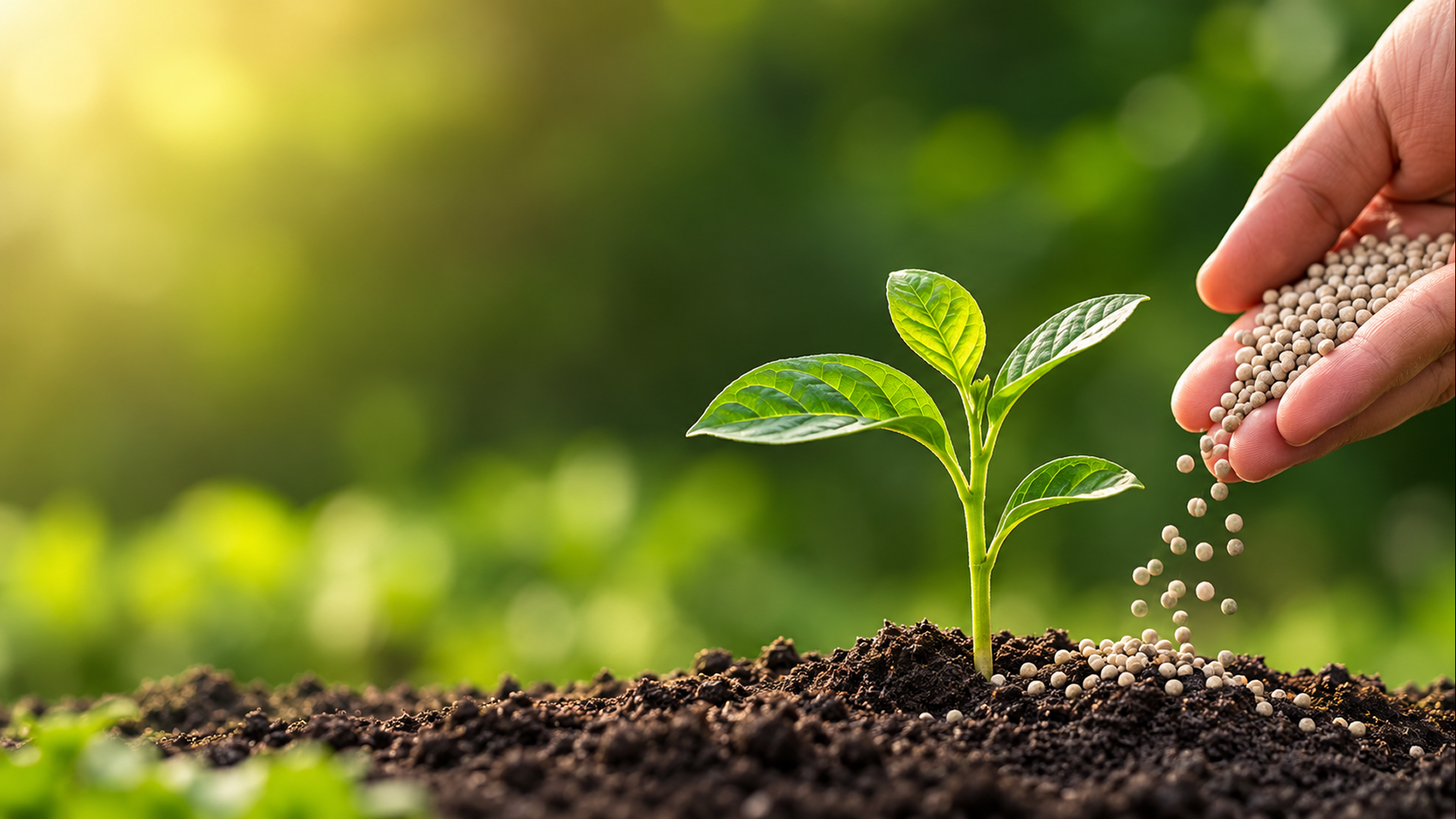
Every 2 to 4 weeks during the growing season, a diluted liquid fertilizer is a good starting point for most houseplants and garden plants. Knowing when to fertilize plants and how much to use helps maintain healthy growth. Slow release products last up to 2–6 months.
This is a suggested range and not a rule. Always read the information on your fertilizer label, as the strength and ingredients are different from brand to brand.
Whether you're caring for a few garden plants or managing a larger green space, Mahraj Landscaping can help you understand the right plant care practices for healthier growth.
What Decides How Often to Fertilize?
Each plant will require a different schedule. There are four factors that influence feeding frequency.
1. Plant Type
Regular feeding is required for heavy feeders, such as tomato plants, chilies, roses and leafy greens. Succulents, snake plants and cacti do not require a lot of light.
2. Growing Season
The faster the plant grows, the more it consumes, the slower they grow, the less they eat.
3. Fertilizer Type
A fast acting liquid lasts for only weeks. Slow release granule lasts for months.
4. Pot Size and Soil
Pots contain limited nutrients and some are lost during each watering. Potted plants generally require more frequent fertilization than plants in beds. However, sandy soil depletes more easily than rich, loamy soil.
How Often to Use Each Plant Fertilizer Type?
Different fertilizers have different rates of action. Match the schedule to your product using this table.
| Fertilizer Type | Typical Frequency | Best For |
|---|---|---|
| Liquid | Every 2–4 weeks (every 1–2 weeks if heavily diluted) | Houseplants, quick nutrient boosts |
| Granular (quick release) | Every 4–8 weeks | Garden beds, large containers |
| Slow release | Every 2–6 months, per label | Busy gardeners, long term feeding |
| Compost | Top-dress 1–2 times per season | Improving soil, vegetables |
| Vermicompost | Every 4–6 weeks as a thin layer | Pots, kitchen gardens, herbs |
Organic products, such as composts, are slow acting and therefore difficult to overuse. They also improve soil structure, which chemical fertilizers don’t do.
7 Simple Rules for a Plant Feeding Schedule
Feeding confidence using these rules. They ensure that your plants stay healthy and that you don't over fertilize.
1. Feed During Active Growth
Plants absorb nutrients during the growth of new leaves, shoots or buds. The feeding during this stage ensures that the food is not kept dormant in the soil.
1. Don’t Feed a Plant Just Because It Looks Weak
Oftentimes, yellow or drooping leaves are the signs of overwatering, poor light or pests, and not eating. Fertilizer can cause stress on a stressed plant, so first get the underlying cause correct
1. Follow the Recommended Dosage
Fertilizer is not a growth stimulator. Excessive feeding results in a salt accumulation in the soil, which can cause root burn if too much is used. Understanding how to dose fertilizer for plants correctly helps prevent overfeeding, so follow label instructions and use half strength if in doubt.
1. Leave Time Between Feedings
It may take several weeks for plants to absorb and utilize their previous inputs. One of the simple ways in which overfeeding may be accomplished is by feeding too soon.
1. Adjust for Each Plant
Even if they are plants in the same pot, a fern, a rose and a cactus all have different requirements. Tomatoes are heavy feeders and require frequent feedings, succulents require little.
1. Reduce Feeding When Growth Slows
Plant growth slows and nutrient uptake decreases during cooler or shorter days. This is the time to cut back or stop fertilizing to prevent salt buildup in the root zone.
1. Watch Your Plant After Feeding
Gently inspect the plant for the next week. If it is fresh green growth, it's a good sign, but if it's brown tips and droopy leaves, it's a sign to tone it down the next time
Feeding Schedule by Plant Type
Plants have varying appetites. Feed each group according to the following guidelines.
They grow slowly under indoor light, so feed every 4 weeks during the growing season at half strength. When choosing fertilizer for plants kept indoors, consider their light conditions and growth rate. Feed succulents or cacti only 2-3 times per year.
Feed with a fertilizer that is higher in phosphorus and potassium after the buds have formed, approximately every 2 weeks throughout bloom. Excess nitrogen results in large leaves and low bloom production.
Vegetable Plants
Feed with a fertilizer that is higher in phosphorus and potassium after the buds have formed, approximately every 2 weeks throughout bloom. Excess nitrogen results in large leaves and low bloom production.
The added nutrients are washed away through drainage holes and containers will require more frequent and lighter feeding than garden soil.
Seasonal Feeding Guide
A plant's needs vary throughout the year. Change up your schedule for the season.
Spring and Summer
This is the full feeding time, as this is the peak growth time. However, during very hot summers, numerous plants slow down or stress. A plant in trouble during hot weather shouldn't be forced to take fertilizer. Water well first.
Monsoon
This is due to the loss of nutrients through heavy rainfall in soil and containers. Do light, frequent feedings, but avoid waterlogged and wet soil. Even if they are waterlogged, they cannot take in nutrients.
Autumn
Slowly decrease the feed when growth slows down. Avoid late season nitrogen in the soil, as it will encourage late season soft growth that is prone to damage.
Winter
During the winter, most houseplants are in a resting phase, withhold fertilizing or reduce it to once every 6 to 8 weeks. There's still time for light feeds for cool season vegetables like peas and spinach.
Best Time of Day to Fertilize
The best time of day for doing this is either early morning or late afternoon. In the summer months, try to avoid the heat of the day, when plants lose water quickly and fertilizer stress is likely to occur.
Additionally, water your plant first prior to feeding. Do not fertilize in dry soil because it can burn roots.
Signs You are Fertilizing Too Much
Plants show stress early. Watch out for the following warning signs.
White or yellow layer at soil surface or pot edge
Crispy brown leaf tips and edges
If leaves turn yellow or hang low
Wilting even though the soil is moist
Lots of leaves, but weak stems or few flowers
Signs Your Plant Needs Nutrients
A hungry plant gives clear hints. These are the most typical ones.
Growth is slow or stunted during the growing season
Pale green, or evenly yellowing older leaves
Smaller than usual, new leaves
Low or no flowering and fruiting
These symptoms can mimic other issues such as low light or improper watering, so make sure to verify these before turning to fertilizer.
Common Fertilizing Mistakes
There are a few simple mistakes in most feeding problems. Don't make these and then your plants will thank you.
Allowing the plant to feed on a set schedule without monitoring
Applying full strength on small or young plants
Soils that are too dry or saturated with water
Applying multiple fertilizers simultaneously
Feeding new plant immediately (Wait 4–6 weeks if previously repotted in fresh potting mix)
Ignoring the label, thinking that “more shall make it work faster”
What to Do If You Overfertilize
Be quick, yet remain calm
Stop feeding immediately.
Clean up the top layer of soil and get rid of the fertilizer residue.
Flush the soil. Drain through clean water 3 to 4 times the pot's volume and allow it to drain completely.
Remove severely burned foliage to concentrate plant growth.
Feed again in 4 to 6 weeks, and use half the normal strength.
Repot the plant in fresh soil if it is severely affected.
Conclusion
The key to a healthy feeding routine is to use plant fertilizer when your plant is growing, apply the correct amounts, and stop when the growth slows down.
Be light, be regular and make adjustments as you learn the preferences of each plant. In return, your plants will grow stronger roots, greener leaves, and healthier flowers or crops.