

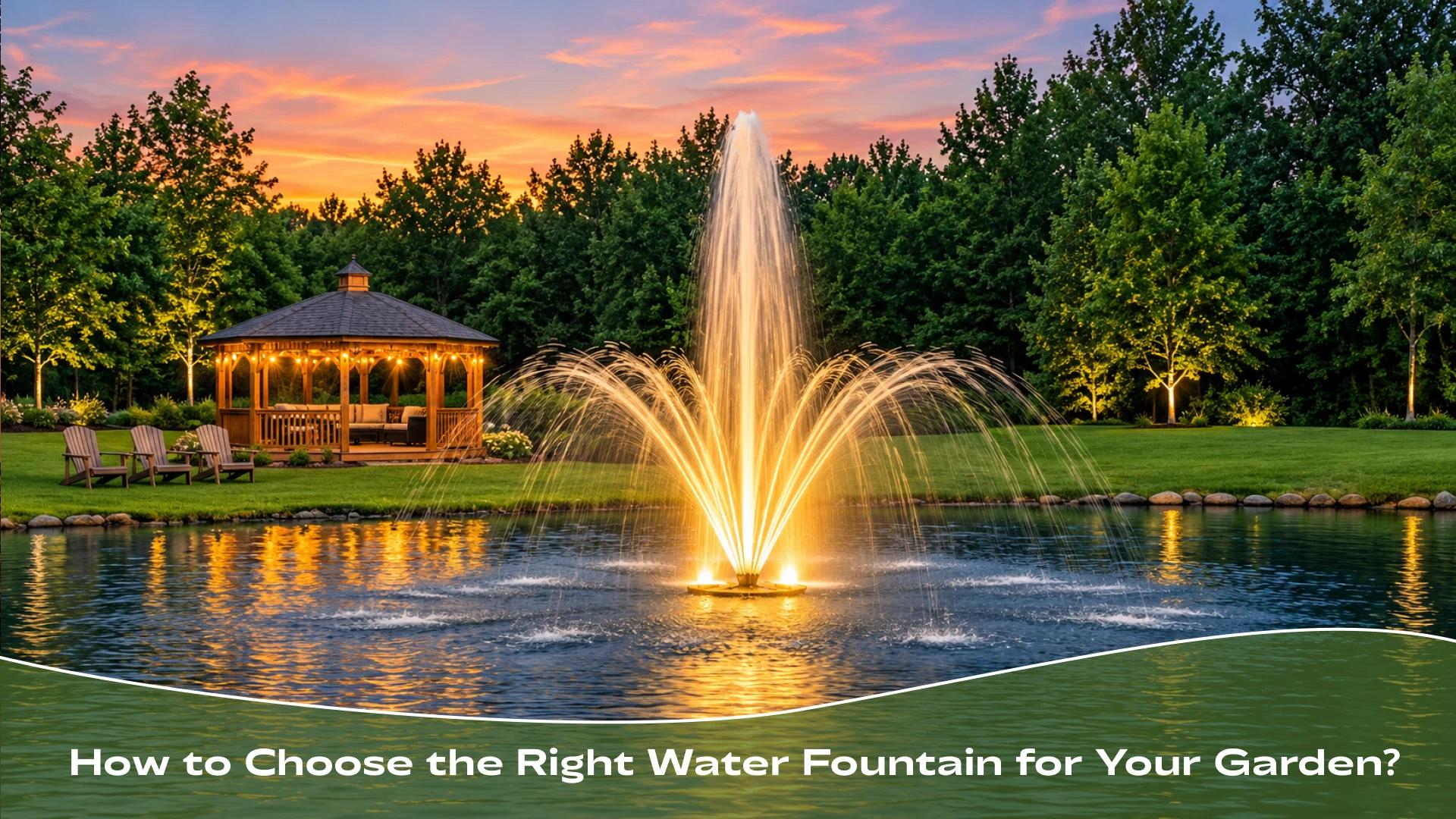
For a moment, close your eyes. It’s a warm evening. You're in your garden, sipping tea, but instead of the sound of traffic, you hear the sound of water.
This is what a good fountain does. However, go to any gardening center and you will find dozens of varieties. Tall and small, stone and solar. Which one would best suit you?
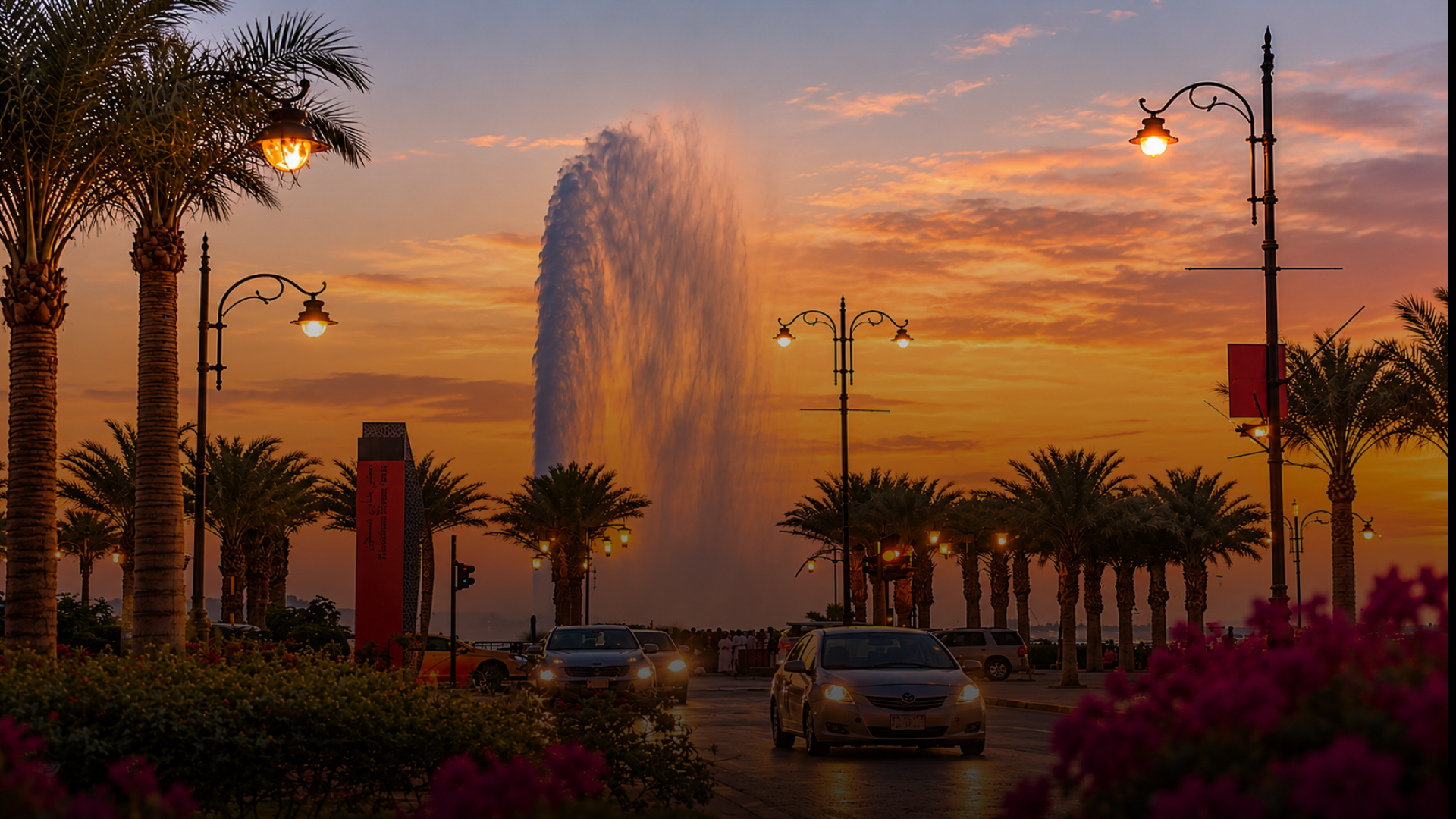
Whether you're considering a simple water fountain for your garden or taking inspiration from larger attractions like the King Fahd Fountain, choosing the right design depends on your space, preferences, and budget.
This guide answers that in the easiest way, step by step.
Key Takeaways
You need to know how much room you have before you begin shopping.
Choose a fountain to suit the garden.
Make good selections for durability.
Use a pump the same size as the fountain.
Make a schedule for cleaning and maintenance.
Why Add a Water Fountain to Your Garden?
A water fountain is not only for decorative purposes. Running water drowns out the sound of the street and is relaxing. It can also provide your garden with a definite focus that can catch eyes.
Fresh water makes your garden more alive by attracting birds and butterflies. Sometimes on hot days, flowing water even makes a sunny space cooler and fresher.
A fountain can also be planned as part of your garden's outdoor feature design, alongside pathways, lawns, and planting.
Different Types of Garden Water Fountains
There are various types of garden fountains. Here are the most common types that will help you in finding the right one.
Tiered Fountains: Water falls from one level to the next. Classic and elegant.
Wall Fountains: Fixed to a wall or fence. Good use of small surfaces.
Freestanding Fountains: These are not connected to the building. Light and convenient to move and to set up.
Pond Fountains: Float or sit in a pond. They are also useful for maintaining the freshness of the pond water.
Bubbling or Pebble Fountains: Water bubbles up through stones. Safe and low-maintenance.
Solar Fountains: Powered by the sun. No wires needed.
Key Factors to Consider When Choosing a Garden Fountain
When you're looking for a garden fountain for your garden, it's easier to make your choice if you know what to look for. Here are some factors to consider before purchasing.
Garden Size and Available Space
Measure first, buy later. A big fountain in a small garden feels crowded. A tiny fountain in a large garden gets lost.
A general guideline to follow is that there should be at least 2 to 3 feet of clearance around the fountain for circulation and to prevent splashing onto plants.
Fountain Design and Style
See your home and yard. Any modern house will look quite nice with a clean metal or concrete fountain. A stone or ceramic fountain with soft curves would be a good choice for a cottage garden.
Select a style that fits with your garden and not something that's stuck to it.
If you want to add greenery around your fountain, professional nursery and plant services can help you select plants suited to your garden's space and climate.
Material and Durability
Your fountain is going to be out in the sunshine and rain, and even frost sometimes. Select materials to take care of your weather conditions. We explain the best alternatives below.
Water Flow and Fountain Height
The higher the fountains are, the more splashing they tend to create and the wind can push it out of the fountain. If it is windy, choose a less noisy piece of fountain or one with a weaker current.
If you are looking for a quiet corner, a taller one is a good addition. Some pumps provide a flow adjustment, which can be very convenient.
For larger outdoor spaces, you can also consider a dancing fountain, where water jets move in different patterns, often synchronized with music and lighting. These designs are more suitable for public gardens, hotels, and commercial landscapes.
Pump Type and Water Capacity
The fountain's heart is the pump. There are two primary varieties:
Submersible Pumps: Float under water. Quiet and stealthy. Works best with most fountains in the home.
External Pumps: Sit outside the water. More robust, but better for large installations.
Look at the flow rate of the pump (in gallons per hour, or GPH). A fountain designed to be small would require approximately 50-150 GPH. Taller or larger fountains require more. Be sure to consult the fountain manufacturer.
Power Source and Energy Efficiency
There are basically three options:
Electric: Continuous, strong flow. Requires a secure outside power outlet.
Solar: No cost of energy and simple installation. On cloudy days, the flow may stop.
Battery: Suitable for very small fountains, however battery replacement will be necessary.
When purchasing a pump, choose one that will be energy efficient for lower bills.
Budget and Installation Costs
Prices vary a lot. Small solar fountain can cost less than $100.00. The stones of large fountains can cost hundreds of dollars or more. Consider other expenses, like the electric bill, foundation or stand, and operating costs.
Therefore, a medium priced, good material fountain can cost you less over time since you will not need to replace it.
Best Water Fountain Materials for Outdoor Gardens
Water fountain material can influence the appearance and longevity of your fountain. Below is a brief tour of the more common choices for outdoor gardens.
| Material | Pros | Cons |
|---|---|---|
| Stone | Very strong, natural look | Heavy, costly |
| Concrete | Durable, many shapes | Can crack in hard frost |
| Ceramic | Colorful, pretty | Can break if hit |
| Metal (copper, bronze) | Modern, long lasting | May change color over time |
| Fiberglass or resin | Light, affordable | Less premium feel |
If you live in an area with harsh winters, select winter tolerant materials, or drain and cover the fountain before the weather gets cold.
Choosing the Right Fountain Based on Garden Layout
The design of your garden determines the kind of fountain you desire and will need. These are easy to pick matches to help you decide.
Small Yard or Balcony
Choose a wall fountain or a mini bubbling fountain. These help to use less water and can still provide the relaxing sound of water.
Large Lawn
Find a high level fountain and make it the focal point. This is a good space filler and attention grabber.
Patio or Seating Area
Choose a fairly large fountain that sits far enough away so you can hear it when you sit to rest. Decorative pots and planters can also help frame the fountain and bring more greenery to your seating area.
Pond Garden
Make use of a floating or pond fountain. It is appropriate for the environment and helps to retain fresh water.
Narrow Garden Path
Choose a narrow wall fountain that will look pretty without obstructing traffic.
Water Fountain Installation and Placement Tips
With the proper location and power configuration, your fountain should be safe and beautiful for years. Here are some things you will want to consider before you make a placement.
Choose a flat, hard surface. The base may be uneven, which can cause water to flow to one side.
Cling to power. Try to keep cords short and install an outdoor rated, safe socket.
Steer clear of trees that cast heavy shade. Leaves clog pumps and excess sunlight causes algae growth. A partially sunny location is best.
Think about wind. If your garden's quite windy, protect the fountain.
Install it in a location which is seen and heard. Not far from a window or seating area is ideal.
When wiring seems tough, consult a licensed electrician. Safety comes first.
Public water features must also meet safety requirements for electrical connections, surrounding surfaces, lighting, and regular maintenance.
How to Maintain Your Garden Water Fountain?
With so little care, your fountain will look fresh:
Top up water often. It evaporates more quickly in summer and a dry pump will burn out.
Wash every 2-4 weeks. Use a soft brush and mild soap to remove algae and dirt.
Clean the filter on the pump. The most common reason for low flow is blocked filters.
Clear of leaves and debris as soon as they are observed.
Prepare for winter. In colder regions, drain the water, remove the pump and cover the fountain.
Regular garden maintenance also helps keep the plants and surrounding outdoor areas clean and well-maintained.
Common Mistakes to Avoid When Choosing a Garden Fountain
With just a little carelessness, a nice fountain can become a source of trouble. Below are some things to avoid before purchasing.
Purchasing without considering dimensions.
Looks are preferred to quality.
Selecting a pump that's under powered or over powered.
Putting the fountain under a tree that is not tidy.
Not being aware of the weather for your region.
Not bothering to clean and maintain.
Skipping electrical safety.
Conclusion
Your space, style, and budget are all factors to consider for the right fountain. First, you need to size your garden, then select the material you can handle and find the appropriate pump. With a bit of routine maintenance, your fountain can provide years of enjoyment and tranquility.
Ready to begin? So go for a walk through your garden today and find your favorite place, and imagine that soft sound of water.
With the right guidance from Mahraj Landscaping, you can create an outdoor space that feels beautiful, peaceful, and welcoming. With our guidance, choosing the right fountain for your garden becomes simple and hassle free.